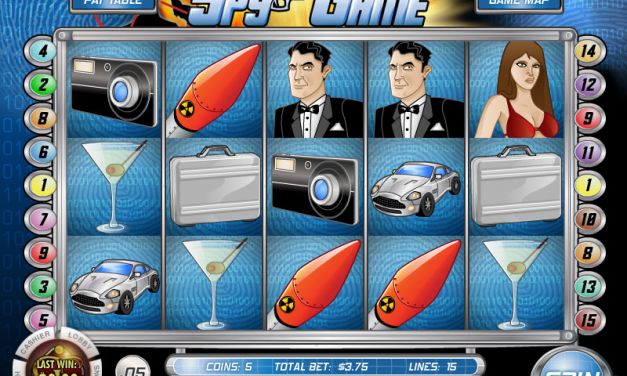
The landscape of gaming has evolved dramatically over recent decades, particularly in how symbols and chance interact within game mechanics. Symbols are no longer static icons; they have become dynamic tools that influence player perception, engagement, and ultimately, the perceived randomness of outcomes. This article explores the fascinating transformation of symbols in modern gaming, illustrating how they shape the experience and understanding of luck through practical examples like lads?.
Table of Contents
- The Fundamental Concepts of Symbols in Gaming
- The Concept of Chance and Probability in Modern Slot Games
- Symbol Transformation: From Static to Dynamic
- Case Study: «Jungle Bang Bang» — Modern Illustrations of Symbol Transformation
- How Modern Mechanics Alter the Perception of Chance
- The Mathematical Underpinnings of Symbol Transformation
- The Educational Value of Symbol Dynamics in Game Design
- Future Trends: Evolving Symbols and Chance in the Gaming Industry
- Conclusion: Unlocking the Power of Symbols to Transform Player Experience
The Fundamental Concepts of Symbols in Gaming
In gaming, symbols serve as visual representations of potential outcomes. They are the building blocks of slot machines and other chance-based games, conveying information about winning combinations and triggering specific features. Traditionally, symbols were static, fixed images that appeared randomly according to predefined odds, but modern designs have introduced dynamic elements that can change during gameplay.
Symbols as Visual Representations of Game Outcomes
Symbols communicate success, failure, or special features. For example, a classic fruit symbol in traditional slots signified a payout, while modern symbols like wilds or scatters activate bonus rounds, retriggers, or multipliers. These visual cues guide players’ perceptions and expectations, reinforcing the thrill of chance.
How Symbols Influence Player Perception and Engagement
The design and animation of symbols can evoke emotions and heighten engagement. Dynamic symbols, such as expanding or shifting icons, create a sense of anticipation and control, even when outcomes remain random. This psychological effect is backed by research indicating that animated and transformative symbols increase player retention and satisfaction.
Basic Mechanics: Fixed vs. Dynamic Symbols
Fixed symbols remain unchanged during spins, providing consistent payout structures. Conversely, dynamic symbols can change states—expanding to cover multiple positions, retriggering features, or upgrading to higher-paying icons—thus influencing the overall game dynamics and perceived fairness.
The Concept of Chance and Probability in Modern Slot Games
Modern slot games rely heavily on sophisticated algorithms, primarily Random Number Generators (RNGs), to ensure fairness and unpredictability. These systems generate outcomes that are inherently probabilistic, meaning each spin’s result is independent and determined by complex calculations.
Random Number Generators (RNGs) and Their Role
An RNG functions as the core engine behind all digital slot outcomes. It produces a vast array of pseudo-random sequences, which are mapped to specific symbols on the reels or display grids. This technology ensures that no pattern or bias influences the game, maintaining fairness and unpredictability.
How Symbols Are Tied to Probabilistic Outcomes
Each symbol’s appearance probability is determined by its assigned weight within the RNG’s algorithm. Rare symbols, such as scatters or bonus icons, are programmed to appear less frequently, yet their impact on game dynamics—like triggering free spins or bonus features—can significantly alter perceived odds.
Impact of Game Rules on Symbol Appearance and Frequency
Rules such as payline structures, ways systems, and symbol upgrades influence how often certain symbols contribute to winning combinations. For example, games like Jungle Bang Bang introduce features like 2000 Ways, which modify traditional payout expectations by increasing possible symbol combinations.
Symbol Transformation: From Static to Dynamic
Symbol transformation involves changing a symbol’s state during gameplay, often triggered by specific events like scatters or bonus features. These transformations can include expanding to cover multiple positions, shifting to higher-value icons, or retriggering free spins, thus adding layers of interactivity and complexity.
Definitions and Examples of Symbol Transformation
For instance, in Jungle Bang Bang, scatter symbols trigger retriggers and free spins, effectively transforming the game state. Similarly, wild symbols may expand to cover entire reels or shift positions, increasing the chances of forming winning combinations.
Types of Symbol Transformations
- Expanding Symbols: Grow to cover multiple reel positions, increasing win potential.
- Shifting Symbols: Move positionally during spins, affecting outcome probabilities.
- Retriggering Symbols: Activate additional spins or features when appearing in specific numbers.
Educational Analogy: Understanding State Changes in Probability Models
These transformations are akin to state changes in Markov models, where the state (symbol type) evolves based on probabilistic rules. Recognizing these changes helps players understand that while outcomes are influenced by dynamic features, the underlying randomness remains governed by statistical principles.
Case Study: «Jungle Bang Bang» — Modern Illustrations of Symbol Transformation
«Jungle Bang Bang» exemplifies how contemporary slot mechanics incorporate symbol transformations to enhance gameplay. Its design demonstrates the interplay between fixed probabilities and dynamic features, illustrating the core concepts discussed so far.
How Symbols Function in Jungle Bang Bang
The game features various symbols, including wilds, scatters, and special upgrade icons. Scatters trigger free spins, with the potential for retriggers, while wilds can expand or shift to maximize winning combinations. The use of Extra Bet allows players to upgrade to 2000 Ways, significantly increasing payout opportunities.
The Role of Scatter Symbols in Retriggering Free Spins (+5 Spins with 3 Scatters)
In Jungle Bang Bang, landing three scatter symbols on reels initiates a free spins round, with an additional five spins awarded if three scatters appear again during the bonus. This retrigger mechanism exemplifies symbol transformation influencing game momentum, effectively increasing the player’s chances of hitting winning combinations within the bonus phase.
Use of Extra Bet to Upgrade to 2000 Ways and Its Influence on Payouts
By choosing the Extra Bet feature, players can move from traditional payline structures to an expansive system of 2000 Ways, greatly enhancing the probability of matching symbols across multiple positions. This feature demonstrates how symbol state changes—upgrades and expanded ways—alter payout dynamics and player perception.
How Modern Mechanics Alter the Perception of Chance
The shift from payline-based systems to ways systems, and the incorporation of symbol transformations, creates a different psychological landscape. Players often feel more in control or perceive higher chances of winning due to features like retriggers and symbol upgrades, despite the underlying randomness remaining statistically fair.
Ways System vs. Traditional Paylines — Semantic Differences and Player Experience
While paylines specify fixed paths for winning combinations, ways systems like 2000 Ways allow for multiple symbol matches across reel positions, increasing the number of potential wins. This structural change influences player perception, making wins seem more frequent and attainable.
Psychological Impact of Symbol Transformations and Retriggers
Features such as retriggering free spins or symbol upgrades foster a sense of progression and control. Players often interpret these as increased skill or luck, which can lead to overestimating their influence on outcomes—highlighting the illusion of mastery over randomness.
The Illusion of Control vs. True Randomness
Despite sophisticated features, slot outcomes are fundamentally governed by RNGs. Recognizing this helps promote responsible gaming, emphasizing that transformations are designed to enhance engagement rather than manipulate odds unfairly.
The Mathematical Underpinnings of Symbol Transformation
Understanding how symbol transformations affect probability requires a grasp of the underlying mathematics. Features like retriggers or upgrades modify the effective probabilities of hitting certain outcomes, which can be modeled using combinatorial and probabilistic analysis.
Probability Adjustments with Symbol Transformations
For example, the chance of retriggering free spins increases with the number of scatter symbols appearing, which is directly related to their assigned probability. Similarly, upgrading to 2000 Ways multiplies the number of possible winning combinations, thus statistically increasing payout potential.
How Payline Rules Modify Payout Expectations
Traditional paylines restrict winning combinations to specific paths, limiting frequent wins but maintaining defined payout ratios. In contrast, systems like Jungle Bang Bang’s 2000 Ways expand these possibilities, effectively increasing the expected value over time, though outcomes remain probabilistically fair.
Numerical Examples Based on Jungle Bang Bang Features
| Feature | Impact on Probability | Effect on Payout Expectation |
|---|---|---|
| Retrigger with 3 Scatters | Increases free spins count by 5 | Raises chance of higher cumulative wins |
| Upgrade to 2000 Ways | Multiplies the number of winning combinations | Significantly increases expected payout value |
The Educational Value of Symbol Dynamics in Game Design
Analyzing symbol transformations offers valuable insights into probability and game theory. These features serve as interactive tools for teaching players about odds, variance, and the role of randomness. When designed effectively, they can deepen understanding and foster responsible gaming habits.
Teaching Players About Probability Through Interactive Features
Features like retriggers and symbol upgrades illustrate how chance operates within bounded parameters. They demonstrate that while outcomes are influenced by specific events, the core randomness governed by RNGs remains central.
Enhancing Engagement and Retention
Dynamic symbols and feature triggers make gameplay more engaging, encouraging players to learn and anticipate features. This active involvement can lead to better comprehension of the underlying mathematical principles and promote responsible gaming.
Implications for Responsible Gaming and Understanding Odds
By understanding how features influence probabilities, players can make more informed decisions. Recognizing that features are designed to enhance entertainment rather than guarantee outcomes supports healthier gaming habits.
Future Trends: Evolving Symbols and Chance in the Gaming Industry
The industry is moving towards integrating augmented reality (AR) and adaptive symbols that respond to player behavior. These innovations aim to personalize experiences, making symbol transformations more intuitive and engaging. However, ethical considerations—such as transparency about odds and fairness—remain paramount.
Integration of Augmented Reality and Dynamic Symbols
AR can project symbols into real-world environments, creating immersive experiences that adapt to player actions. This evolution blurs the line between chance and skill, raising questions about transparency and regulation.
Personalization and Adaptive Symbol Transformation
Using data analytics, games can modify symbol behaviors based on player history, increasing engagement. For example, symbols may become more likely to trigger bonus features for high-frequency players, raising ethical considerations about fairness and transparency.
Ethical Considerations in Designing Symbol-Driven Chance Mechanisms
As mechanics become more sophisticated, ensuring players understand the randomness and odds is critical. Responsible game design advocates clear communication, fair play, and safeguards against manipulative features.