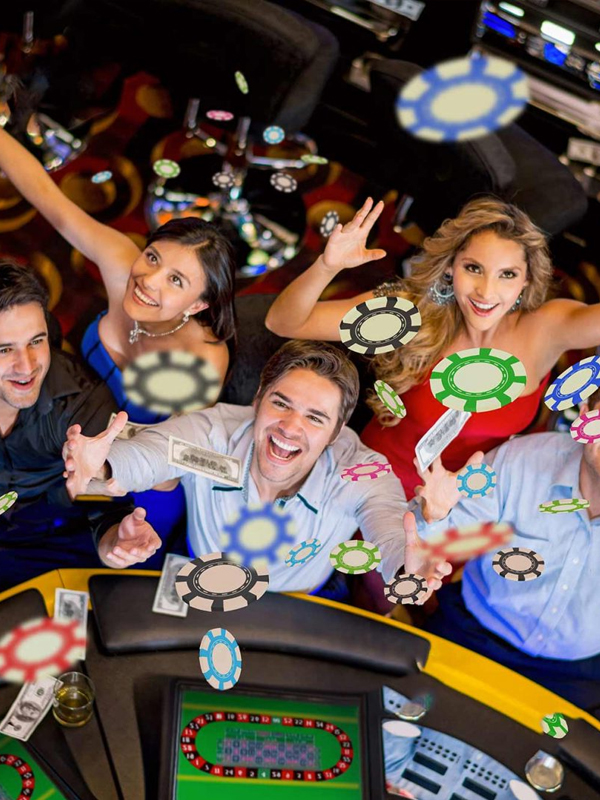
1. Introduction: The Interplay Between Perception and Rewards in Human Experience
Perception is the process by which humans interpret sensory information to form a subjective reality. It influences how we experience the world, including what we consider rewarding. Rewards, in turn, can be classified as intrinsic—the inherent satisfaction derived from an activity—and extrinsic—external incentives like money or prizes. Understanding how perception impacts reward valuation is essential for designing engaging experiences, whether in gaming, education, or marketing.
This article explores the intricate relationship between perception and rewards, illustrating key principles with examples from modern game design, notably the case of spin-nerds unite 🛠️, a popular slot game that exemplifies how perception manipulates reward experience.
2. The Psychology of Perception and Reward Processing
a. Neural mechanisms underlying perception and reward pathways
Research shows that perception and reward processing involve interconnected neural circuits, primarily within the limbic system and prefrontal cortex. The ventral striatum, including the nucleus accumbens, is central to reward anticipation, while sensory cortices interpret incoming stimuli. When these pathways synchronize, sensory inputs can significantly influence the expectation and perception of reward.
b. How sensory inputs modify reward expectations
For instance, the sight of vibrant colors or appealing sounds can elevate anticipation of a reward. In slot games, visual cues like flashing lights or jingling sounds amplify the expectation of a win, even before it occurs, by activating reward-related brain areas.
c. The role of cognitive biases in perceiving rewards
Cognitive biases such as the confirmation bias or optimism bias can skew reward perception, leading players or users to overestimate their chances of winning or success. Recognizing these biases helps in understanding why certain reward designs are so compelling.
3. Cultural and Contextual Factors in Reward Perception
a. Influence of cultural background on what is perceived as rewarding
Cultural norms shape our values and thus what we find rewarding. For example, some cultures emphasize social recognition, while others prioritize material gains. A game designed with culturally relevant symbols can significantly enhance perceived value.
b. Context dependence: how environment alters reward perception
Environmental factors such as lighting, sound, and even the ambiance of a space influence how rewards are perceived. Bright, colorful settings tend to enhance excitement and perceived value, whereas bleak surroundings diminish it.
c. Examples of cultural variations in reward valuation
| Culture | Perceived Rewards |
|---|---|
| Western | Material wealth, individual achievement |
| Eastern | Harmony, social cohesion, spiritual growth |
4. The Numerology of Rewards: Symbolism and Expectation
a. Significance of the number 30 in numerology and its optimistic connotations
In numerology, the number 30 combines the energies of 3 (creativity, communication) and 0 (potential, wholeness). It often symbolizes growth, optimism, and new beginnings. Such symbolic meanings can subconsciously boost motivation and perceived reward value, especially in contexts where numbers are emphasized.
b. How symbolic meanings influence perceived value and motivation
For example, a reward tier labeled «30 points» may feel more appealing than «27» due to its positive associations, influencing players’ motivation and engagement. This effect is exploited in game design by framing rewards with culturally or numerologically significant numbers.
c. Connecting numerological symbolism to real-world reward systems
In marketing, limited-time offers ending on the 30th or discounts of 30% leverage these positive connotations, subtly enhancing perceived value and driving behavior.
5. Color Psychology and Its Impact on Perceived Rewards
a. The effect of purple on brain activity related to pattern recognition and reward anticipation
Purple, often associated with luxury, mystery, and creativity, activates brain regions linked to pattern recognition and anticipation. Studies suggest that purple hues in game interfaces or marketing materials can heighten the perception of exclusivity and value.
b. How visual cues and color schemes in gaming and marketing alter perception of value
Color schemes influence emotional responses; vibrant colors like purple and gold evoke excitement and prestige. Slot games, such as spin-nerds unite 🛠️, use these colors to create an immersive environment that enhances reward anticipation.
c. Practical implications for designing engaging reward experiences
Designers should carefully select color palettes to evoke desired emotional and perceptual responses, thereby increasing engagement and perceived reward value.
6. Case Study: Sweet Rush Bonanza – A Modern Illustration of Perception and Rewards
a. Game design elements that leverage perception to enhance reward feeling
Sweet Rush Bonanza employs bright colors, dynamic animations, and sound effects aligned with reward cues. These elements tap into sensory processing pathways, amplifying the feeling of winning even when outcomes are controlled or probabilistic.
b. The role of color, numerology, and sensory feedback in player engagement
The game integrates numerologically significant numbers and purple-hued visuals to foster optimism and trust. Sensory feedback like vibration and flashing lights reinforce perceived successes, encouraging continued play.
c. How players’ perception of the game’s reward system influences their behavior
Players often develop a sense of mastery or luck based on their perception of reward patterns, which can be manipulated through visual and auditory cues. This perception directly impacts their willingness to invest time and money.
7. The Role of Expectation and Surprise in Reward Perception
a. How anticipation amplifies perceived reward value
The psychological phenomenon known as the peak-end rule suggests that people judge experiences based on the most intense point and the conclusion. Building anticipation through cues increases the perceived value of eventual rewards.
b. The psychology behind unexpected wins in scatter games
Unexpected wins, or «surprise rewards,» activate dopamine release, reinforcing positive perceptions and encouraging repeated engagement. This unpredictability is a core element of many addictive reward systems.
c. Lessons from Sweet Rush Bonanza regarding balancing expectation and surprise
Effective game design balances predictable reward cues with moments of surprise, maintaining excitement without causing frustration, which sustains player motivation over time.
8. Non-Obvious Factors Influencing Reward Perception
a. The impact of bodily states (e.g., temperature) on reward sensitivity
Physical states influence reward perception; for example, warmer body temperatures have been linked with heightened reward sensitivity, affecting how players perceive their wins.
b. The influence of prior experiences and memory on current reward perception
Past successes or failures shape expectations, biasing perception of current rewards. A player who previously won big may feel more optimistic about subsequent spins, regardless of actual odds.
c. Subtle environmental cues that alter reward valuation
Lighting, ambient noise, and even scent can subtly influence how rewards are perceived. For example, a well-lit, high-energy environment can make rewards seem more salient.
9. Practical Applications: Enhancing Engagement and Motivation through Perception Management
a. Designing reward systems that align with perceptual biases
Incorporate culturally relevant symbols, color schemes, and numerology to strengthen perceived value, as seen in successful gaming platforms and educational tools.
b. Ethical considerations in manipulating perception for better engagement
While leveraging perceptual biases can increase engagement, designers must avoid exploitative practices that could harm users psychologically. Transparency and fairness should guide design choices.
c. Examples of successful implementations in gaming and education
Gamified learning platforms, for example, use reward cues aligned with students’ intrinsic motivations, boosting motivation without deception.
10. Conclusion: Integrating Perception Insights to Optimize Reward Systems
Understanding the complex ways perception influences reward valuation enables creators and educators to craft experiences that are engaging, motivating, and ethically sound. By combining insights from neuroscience, psychology, and cultural studies, we can develop reward systems that resonate deeply with human nature.
«Perception is not just what we see or hear — it is the lens through which we interpret the value of every reward we seek.» — Anonymous
Future research should continue exploring subtle environmental and psychological factors influencing reward perception, enabling more sophisticated and humane design strategies. Ultimately, a deep understanding of perception enriches our ability to motivate, educate, and engage effectively.