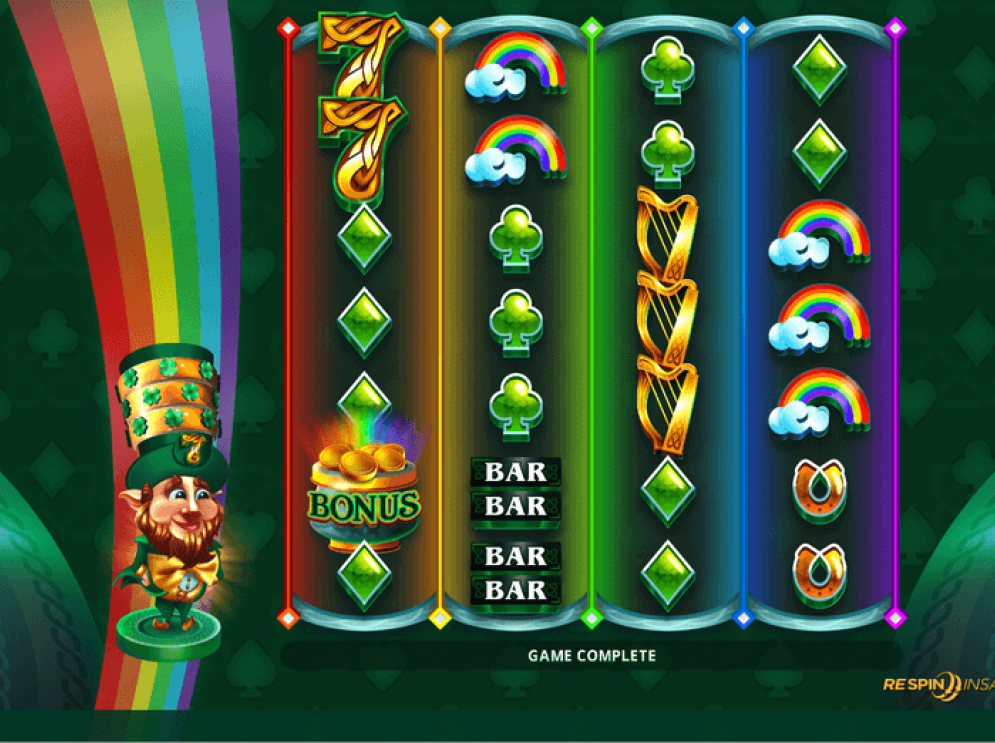
Autoplay features have become a staple in modern gaming, especially within digital and online casino environments. These features automate gameplay, allowing players to sit back and watch spins or moves unfold without manual input. While this automation offers convenience and seamless engagement, it also raises questions about its impact on player excitement and emotional involvement. Understanding how autoplay influences player experience requires examining its evolution, psychological effects, and technological design, with examples from current popular games such as FFS🎰.
Table of Contents
- Introduction to Autoplay in Modern Gaming: Enhancing or Diminishing Player Engagement
- The Psychological Impact of Autoplay on Player Excitement
- Technological Design Elements that Modulate Excitement in Autoplay Features
- Historical Context: From Mechanical Slot Machines to Modern Digital Autoplay
- Case Study: Gem Trio – An Illustration of Autoplay’s Effect on Modern Gaming Excitement
- Non-Obvious Factors Influencing Excitement in Autoplay Settings
- Ethical and Responsible Gaming Considerations
- Future Trends: Evolving Technologies and Their Potential Impact on Excitement
- Conclusion: Navigating the Balance Between Automation and Excitement in Modern Gaming
1. Introduction to Autoplay in Modern Gaming: Enhancing or Diminishing Player Engagement
a. Definition and evolution of autoplay features in digital and casino games
Autoplay refers to a gaming mode where the game automatically spins reels or executes moves repeatedly without requiring the player’s manual input. Originally introduced in mechanical slot machines, the concept has evolved with digital technology, first appearing in early electronic machines and later becoming a standard feature in online casinos. This progression has been driven by advances in user interface design, increasing demand for convenience, and the need to attract a broader audience. Today, autoplay can be customized with settings like number of spins, speed, and stop conditions, offering a tailored experience that balances automation with player control.
b. The role of autoplay in shaping player experience and convenience
Autoplay enhances gaming convenience by allowing players to sit back while the game continues autonomously. For busy players or those seeking a relaxed experience, autoplay reduces the physical and cognitive effort involved in continuous manual play. It also enables rapid gameplay, which can lead to faster sessions, increased betting volume, and potentially more engagement. However, this convenience can sometimes come at the expense of mindful gambling, as players may lose track of their betting patterns or emotional responses during prolonged autoplay sessions.
c. Overview of the balance between automation and human interaction
While automation offers ease and speed, human interaction—such as decision-making, emotional engagement, and strategic control—remains central to the gaming experience. Striking a balance involves designing autoplay features that enhance excitement without diminishing player agency. For example, offering customization options, clear stop mechanisms, and transparent information about autoplay functions can help maintain this balance, ensuring that players remain engaged and aware of their gaming dynamics.
2. The Psychological Impact of Autoplay on Player Excitement
a. How automation influences anticipation and adrenaline levels
Autoplay can modulate anticipation by reducing the active engagement needed to trigger spins, which may diminish the thrill of waiting. Conversely, for some players, the rapid succession of automated spins can generate a continuous adrenaline rush, especially when combined with visual and audio cues that heighten excitement. Research indicates that the pacing and frequency of spins directly influence arousal levels, with faster autoplay settings often leading to heightened emotional responses, but also increasing risks of impulsive betting.
b. The effect of continuous play on thrill and emotional engagement
Continuous autoplay can sustain a state of emotional engagement, creating a sense of momentum and excitement. This sustained stimulation can lead to what psychologists call «flow,» where players lose track of time and their surroundings. However, prolonged automated play may also dull emotional responses over time, as the repetitive nature reduces novelty and anticipation. The key is managing this balance—maintaining enough variation and suspense to keep players emotionally invested.
c. The potential for autoplay to both amplify and dampen excitement
Autoplay can amplify excitement through features like visual effects that celebrate wins or trigger jackpots, such as the iconic 777 symbols. These moments create bursts of emotional high, especially when the player perceives luck or mastery. Conversely, autoplay can dampen excitement if overused or poorly designed, leading players to feel detached or disconnected from the game’s outcomes. The psychological impact hinges on how autoplay is integrated with game design and individual player preferences.
3. Technological Design Elements that Modulate Excitement in Autoplay Features
a. Visual and sound cues that complement autoplay to evoke thrill
Effective visual effects, such as flashing lights, animated symbols, and celebratory animations during wins, significantly boost excitement during autoplay sessions. Sound cues, including triumphant jingles or escalating tension music, reinforce emotional responses. For example, in many modern slots, hitting a jackpot symbol like 777 triggers both visual and auditory stimuli, heightening the thrill even during automatic spins.
b. Customization options and their influence on perceived control and excitement
Allowing players to customize autoplay—such as setting maximum bets, number of spins, or stop-loss limits—enhances their sense of control. When players feel they can influence the session’s parameters, their emotional investment and perceived mastery increase. This customization fosters trust and can heighten excitement, as players feel more engaged in managing their risk and strategies.
c. The importance of pacing and stopping mechanisms in maintaining suspense
Pacing controls, such as adjustable spin speeds and built-in stop buttons, are crucial to preserving suspense. For instance, slowing down autoplay when nearing potential jackpots or allowing players to pause bets can prolong engagement. Properly designed stopping mechanisms prevent autoplay from becoming monotonous or overwhelming, thereby maintaining emotional excitement and suspense.
4. Historical Context: From Mechanical Slot Machines to Modern Digital Autoplay
a. The origins of gambling symbols like 777 and their cultural significance
Gambling symbols such as 777 have long been associated with luck and jackpot success, originating from early mechanical slot machines in the early 20th century. These symbols became cultural icons, symbolizing the thrill of hitting a big win. Their significance persists today, especially in digital slots, where such symbols evoke nostalgia and excitement, reinforcing the game’s appeal.
b. How early slot machine design set the stage for modern autoplay features
Early slot machines relied on manual operation, with players physically pulling levers. The introduction of electronic components led to automatic reel spins, paving the way for digital autoplay. The transition was driven by technological advancements and regulatory changes, making automated features a core component of modern gaming, enhancing speed and user experience.
c. The transition from manual to automated play and its impact on excitement levels
This shift increased the volume and frequency of plays, intensifying the thrill for many players. However, it also introduced challenges such as reduced player awareness of betting patterns and emotional engagement, raising concerns about responsible gaming. Modern autoplay features now aim to replicate the excitement of manual play while adding layers of customization and control.
5. Case Study: Gem Trio – An Illustration of Autoplay’s Effect on Modern Gaming Excitement
a. Overview of Gem Trio’s gameplay and autoplay functionalities
Gem Trio is a contemporary slot game that combines engaging visuals with innovative autoplay options. Players can customize autoplay settings, such as the number of spins and stop conditions, creating a personalized experience. The game incorporates symbols like gems and special icons, including the iconic 777, to evoke classic gambling excitement within a modern design framework.
b. How autoplay influences player perception of luck and anticipation in Gem Trio
In Gem Trio, autoplay can heighten the perception of luck by allowing players to witness continuous wins or near-misses, which psychologically reinforce the idea of control over outcomes. The rapid, automated spins create a sense of momentum, often leading players to feel they are «on a roll,» especially during jackpot symbols like 777. This effect mirrors real-world gambling psychology, where the thrill of chance is amplified by the game’s design.
c. Comparative analysis of excitement levels with and without autoplay in Gem Trio
Studies and player feedback suggest that autoplay increases excitement by maintaining a steady rhythm of spins and visual stimuli. However, some players report that manual play enhances emotional connection and strategic engagement. Balancing autoplay’s convenience with manual control options can optimize overall excitement, as observed in Gem Trio’s design, which encourages players to switch between modes based on their mood and risk appetite.
6. Non-Obvious Factors Influencing Excitement in Autoplay Settings
a. The role of jackpot symbols (e.g., 777) in heightening thrill during automated spins
Jackpot symbols like 777 serve as visual and thematic anchors that trigger emotional highs during autoplay. When these symbols appear, especially during automated spins, they reinforce perceptions of luck and mastery. The anticipation built around hitting such symbols can be heightened by game design elements that animate or celebrate these moments, significantly increasing thrill.
b. Psychological effects of perceived randomness versus perceived control in autoplay modes
Players often interpret autoplay as a sign of control, especially when customization options are available. This perceived control can lead to increased confidence and emotional investment. Conversely, if players believe the outcomes are purely random, their excitement may stem from the unpredictability itself. Understanding this perception helps developers design autoplay features that maximize thrill while promoting responsible gaming.
c. How autoplay can create a false sense of mastery or luck, affecting emotional responses
Autoplay may foster a false sense of mastery, leading players to believe their choices influence outcomes more than they actually do. This illusion can boost confidence and excitement temporarily but may also encourage risky behavior. Recognizing this psychological effect is vital for developers aiming to balance engaging gameplay with responsible design, ensuring autoplay features do not exploit cognitive biases.
7. Ethical and Responsible Gaming Considerations
a. Risks of autoplay diminishing mindful engagement and increasing gambling addiction
While autoplay offers convenience, it can also lead to reduced awareness of betting patterns and losses, increasing the risk of problematic gambling. Continuous automated play may desensitize players to losses, fostering addictive behaviors. Responsible game design requires implementing features like time limits, self-exclusion options, and clear information about autoplay functions to mitigate these risks.
b. Design strategies to balance excitement with player protection
Strategies include setting autoplay limits, providing real-time feedback on spending, and offering opt-in warnings. Transparency about autoplay features and their implications helps players make informed choices. Incorporating responsible gaming tools ensures that the thrill of autoplay does not come at the expense of player well-being.
<h3 style=»font-family: Arial, sans-serif; font-size: 1.4em;